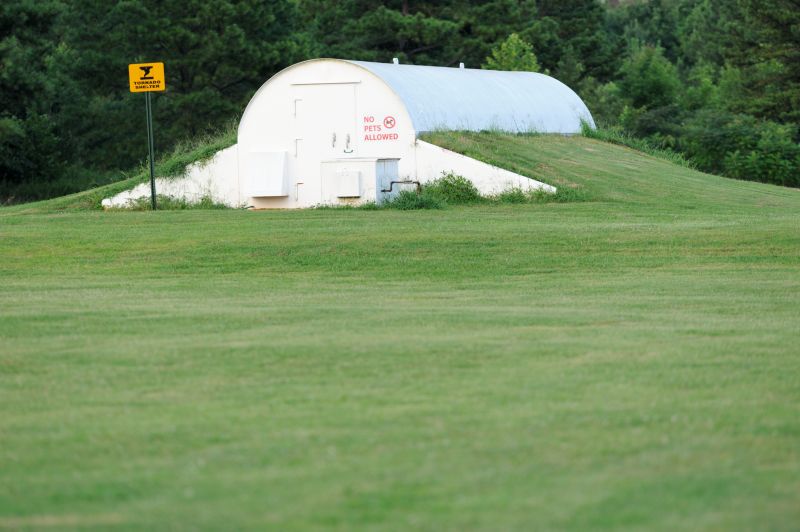
Storm Shelter Construction in Alpharetta, GA
Storm shelter construction services involve creating secure, durable structures designed to protect homeowners and their families during severe weather events, such as tornadoes and storms. These projects typically include building above-ground or underground shelters that can be integrated into existing properties, including basements, garages, or backyard spaces. Property owners often seek information on the types of storm shelters available, materials used, and installation processes to ensure the safety and longevity of the structure. Understanding local building codes and the specific needs of the property can help homeowners make informed decisions about the best shelter options for their homes.
Before requesting storm shelter construction, property owners usually want to consider factors such as the size of the shelter, accessibility, and placement within the property. It’s also important to understand the construction timeline, any necessary permits, and how the shelter will be integrated with existing structures. Clarifying these details can help ensure the project meets safety standards and fits the property’s layout, providing peace of mind during storm season.
Many property owners in Alpharetta, GA look into Storm Shelter Construction for repairs, replacements, upgrades, and appearance-related improvements.
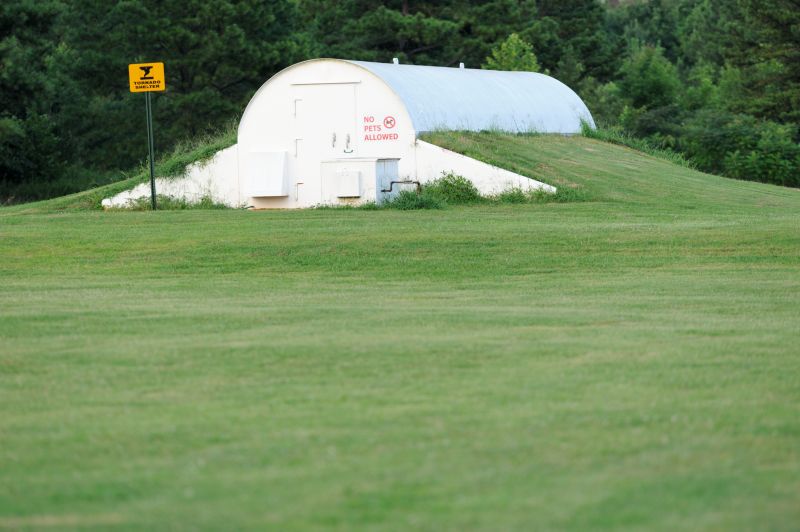
Storm Shelter Options
Various shelter designs are available to suit different property sizes and safety needs.
Construction Considerations
Proper site assessment and foundation work are essential for durable and secure storm shelters.

Safety And Compliance
Storm shelters are built to meet safety standards and local building codes for peace of mind.
Storm Shelter Construction in Alpharetta, GA
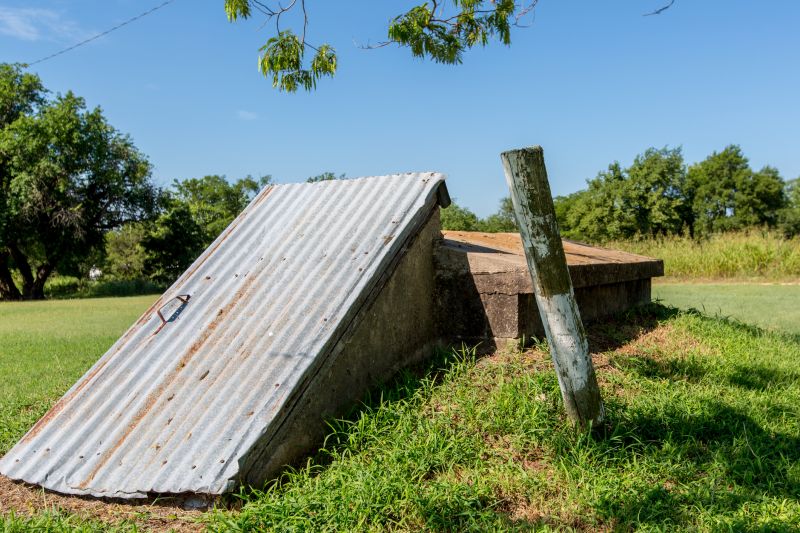
Storm shelter construction services involve creating secure, durable structures designed to protect homeowners and their families during severe weather events, such as tornadoes and storms. These projects typically include building above-ground or underground shelters that can be integrated into existing properties, including basements, garages, or backyard spaces. Property owners often seek information on the types of storm shelters available, materials used, and installation processes to ensure the safety and longevity of the structure. Understanding local building codes and the specific needs of the property can help homeowners make informed decisions about the best shelter options for their homes.
Before requesting storm shelter construction, property owners usually want to consider factors such as the size of the shelter, accessibility, and placement within the property. It’s also important to understand the construction timeline, any necessary permits, and how the shelter will be integrated with existing structures. Clarifying these details can help ensure the project meets safety standards and fits the property’s layout, providing peace of mind during storm season.
Many property owners in Alpharetta, GA look into Storm Shelter Construction for repairs, replacements, upgrades, and appearance-related improvements.
Common Storm Shelter Construction Jobs
Storm Shelter Construction Questions
What types of storm shelters are available for construction? There are various options including in-ground, above-ground, and safe rooms designed to fit different property types and preferences.
How does the construction process typically proceed? The process involves site assessment, design planning, foundation work, and shelter installation tailored to the property’s layout.
What materials are used in storm shelter construction? Durable materials such as reinforced concrete, steel, and impact-resistant doors are commonly used for safety and longevity.
Are storm shelters suitable for all property types? Storm shelters can be built on residential, commercial, and community properties to provide safe refuge during severe weather.
Request Storm Shelter Construction in Alpharetta, GA
Use the quote form on this page to share the basics of your project and request more information for the type of work you need.